Readers and an expert jury have named the winners of Serbia’s national Young Farmer for 2026 contest. Blic Biznis and 3Banka organised the awards, which were presented today at a ceremony at the Hilton hotel in Belgrade. The prize fund totals 1,000,000 dinars, and readers of Blic Biznis selected the winners.
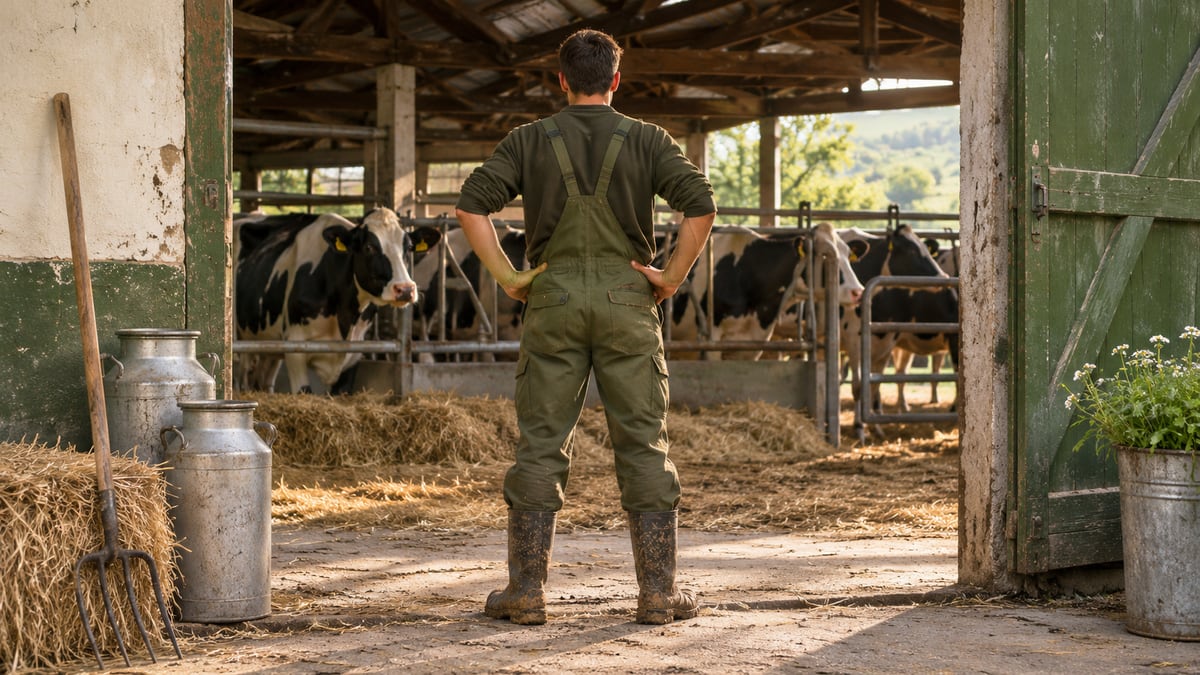
Miloš Jakovljević from Berkasovo near Šid received the title of best young farmer and the first prize of 500,000 dinars for livestock farming and dairy cattle. Second place and 300,000 dinars went to Vladimir Marković from Milutovac near Trstenik, recognised for nursery production and old varieties. Third place and 200,000 dinars went to Nikola Stefanović from Smederevo for modern fruit growing.
The joint initiative is intended to promote and support young people who decide to stay in the countryside or return to it and build modern, profitable and sustainable agribusinesses. After a search lasting several months and a shortlist chosen by an expert jury, readers selected the three best among five exceptional finalists in a large online vote.
Jakovljević spent nearly seven years in hard construction work in Frankfurt before deciding to return to Serbia. Through a programme that allocates village houses, he settled in Berkasovo with his wife and children and started from scratch with only four head of cattle. The holding now has 15 milking cows, works six hectares of land and successfully delivers milk. Jakovljević, his wife Slavica and their four children are presented as evidence that joint family work and faith in one’s own country can build a stable and prosperous future.
Marković spent almost five years working on ocean and river cruise ships and visited more than 70 countries before deciding to return to his native land. With his family he created a nursery that preserves and grafts between 100 and 120 indigenous fruit varieties onto long-lived wild rootstocks. Using modern irrigation systems and steady work, the Marković brothers are reviving Serbia’s forgotten fruit heritage and showing that tradition and a modern approach can go together.
Stefanović, the only heir to his grandfather’s estate, cleared the old plantings and established a modern peach and nectarine orchard on five hectares that is now in full production. He applies advanced agricultural methods, imports planting rootstock from Greece and grafts it himself. He also stood out for direct sales, delivering the harvest himself in his own van without intermediaries, and through the Instagram profile Voćna idila he educates tens of thousands of young fruit growers across the region.
The organisers said the one-million-dinar prize fund is only symbolic encouragement, while the real value of the project is drawing public attention to young, educated and hard-working people who are changing the picture of Serbian agriculture.
Vladimir Vuković, president of the executive board of 3Banka, said at the announcement of the Young Farmer of the Year that the organisers want the finalists’ stories to encourage young people to stay in the countryside or return and build their lives and businesses there. He said that if the contest helps even one young person make that decision and develop a holding, it has achieved its purpose.
Vuković said the bank’s figures point to an ageing farming population. The average age of 3Banka’s agricultural clients rose from 49 to 54 over the past 15 years. Over the same period, the share of agricultural clients aged 65 and over rose from about five percent to 17 to 18 percent. He said those figures show how important it is that young people take over holdings and continue production, which is why the bank launched the contest with Blic in order to help more young people stay in the countryside.
He added that 3Banka was founded with the idea that its business should help solve problems in the communities where it operates. As he described it, the bank focuses on small agricultural holdings and small entrepreneurs and can offer them financing in situations where it would be harder for them to obtain it from banks with a wider range of services.
Vesna Bjelić, editor of Blic Biznis, said that when the outlet began presenting the finalists, one question stood out: what leads a young person to leave a job in the city or abroad and build a business on their own estate. She said each of the five finalists gave a different answer, and that a great deal of work lay behind every decision, including what to produce, what to invest in and whom to sell to. She said it matters that these stories are heard beyond the places where they began, so that people choosing food at a market or in a shop also meet the people who produce it, and that someone now considering their own production might recognise a first step in one of the stories. She said Blic will always have room for such inspiring stories.