Low purchase prices, expensive inputs and weak yields have pushed small and medium farms to the edge of survival, Goran Filipović, president of the Initiative for the Survival of Farmers of Serbia, said in an interview with 021.rs. He said the protests had brought larger subsidies, while a check of the farm register and regulation of purchasing were still awaited. The Initiative’s legal team will examine whether there are grounds for a lawsuit or a criminal complaint over the absence of an announced payment of 17,000 dinars per hectare.
Filipović said the criteria used so far to distinguish small and large producers no longer reflect conditions on the ground. He recalled that a holding of 17 hectares was once considered large, while today, he said, producers farming 20 or 30 hectares also struggle to survive. Alongside low purchase prices and what he described as insufficient state support, he singled out drought and high temperatures, which have made production harder for several seasons.
According to Filipović, larger producers have a stronger negotiating position when buying fertilizer, seed and plant-protection products. The Initiative therefore proposes that four, five or six smaller producers join together and deal jointly with suppliers and buyers. He estimated that this could improve their market position by 10 to 20 percent.
Filipović took part in negotiations with the Government and the line ministries on behalf of the Initiative. He said that since the first protest in August 2022, farmers had taken to the streets three more times to press for their demands to be met.
As a result of the negotiations, he cited a rise in subsidies for crop production from 4,000 to 35,000 dinars per hectare. Support for diesel had also increased, he said, while the demand for a full refund of excise duty remained open. On systemic demands, he added, farmers had received promises.
The Initiative had asked three times for access to data on registered agricultural holdings, Filipović said. It wants to establish how many holdings actually produce, how much land they farm and how many head of livestock they keep. He suspects that some holdings exist only on paper and believes a register check would allow more money to reach active producers.
He also alleged favoritism toward certain holdings in machinery competitions. According to him, some received refunds for several machines, while some participants in the protests were left without support.
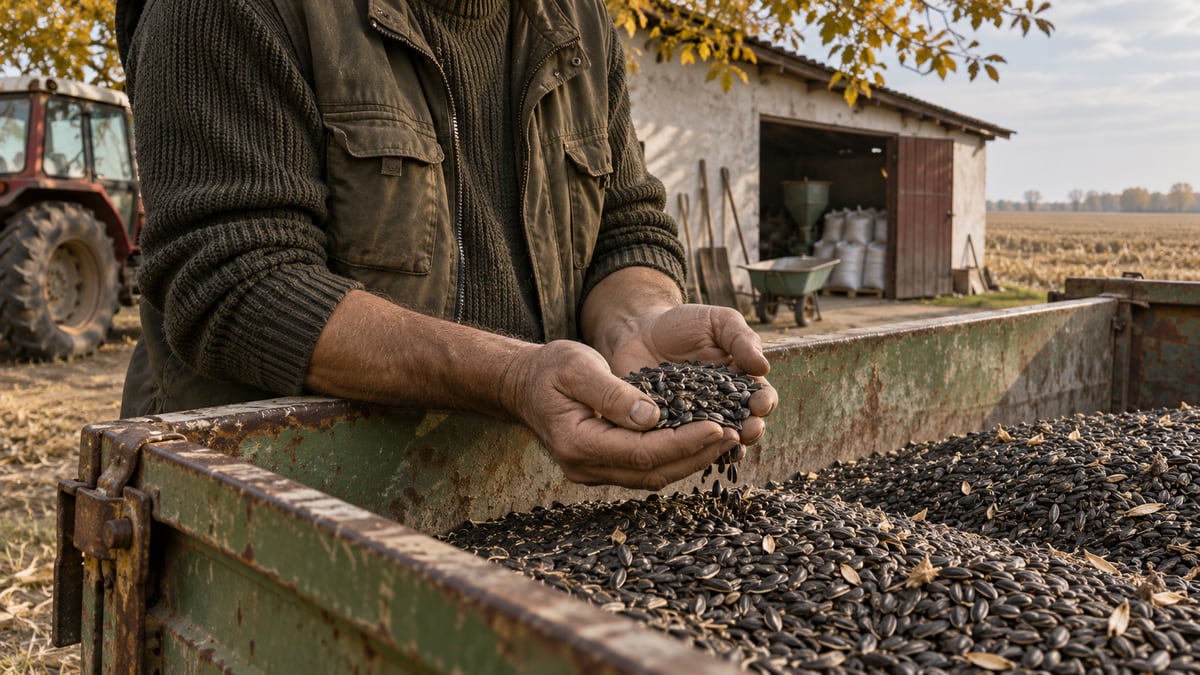
Filipović said a small number of large buyers decisively influence purchase prices, while producers have little room to negotiate. He cited sunflower as an example: this year, he said, an advance price of 50 dinars per kilogram was offered. Producers expected a later top-up, but the opening price remained the final price.
The Initiative will seek regulation of the market so that producers have a greater chance to negotiate sale terms, he said.
At a meeting in Vojvoda Stepa it was agreed that the Initiative’s legal team would represent 78 associations, Filipović said. Lawyers will examine whether there are grounds for a lawsuit or a criminal complaint and against whom any proceedings would be brought. In the interview he named Agriculture Minister Dragan Glamočić, the Ministry of Agriculture and the director of the Administration for Agrarian Payments.
Filipović said farmers want an answer as to why there is no money this year for the announced payment of 17,000 dinars per hectare, which he linked to certified seed. He recalled that the sum was paid in 2025 and said it would mean a great deal to farmers after another season of drought, low yields and weak purchase prices. He told 021.rs that they are simply asking for at least what was promised.