On the bank of the Danube near Negotin, at an altitude of only 40 metres, lies Radujevac, a widely known arable village with more than 2,000 hectares of cultivable land. The Čelikić family from the village has for decades successfully grown corn, sunflower and wheat on about 300 hectares.
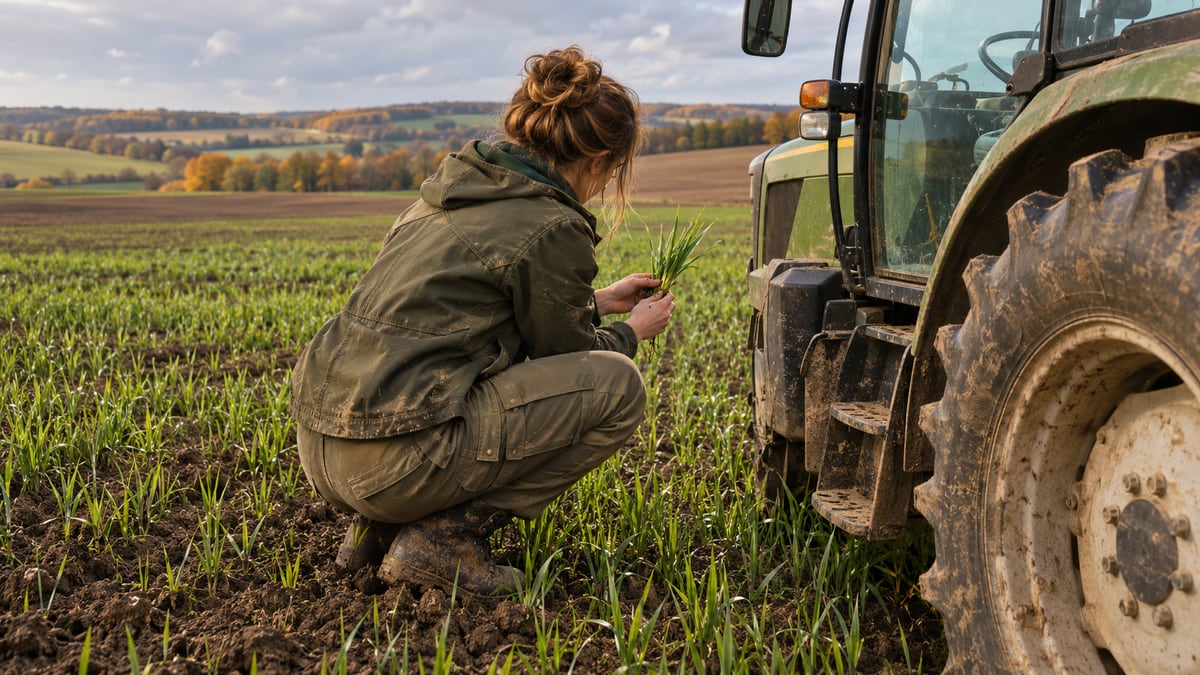
Kristina Čelikić, 24, a young farmer, is a strong support to her parents and takes part in every job on the holding. She said she grew up in the fields because her mother kept her and her sister that way, and that she was involved in all the farm work from childhood. She said she now enjoys driving the tractor and that operating a combine is familiar to her.
Her interest in agriculture took her to the Faculty of Agriculture in Zemun, where she is completing her final year in phytomedicine. She uses every free moment to help her parents with their many duties in Radujevac. She said her wish is to return home one day and apply what she has learned on her own holding, including expanding production and increasing the cultivated area. She added that her father is glad about the decision and has therefore decided to buy additional new machinery.
She said climate change and lower yields of field crops have not made her hesitate, because one year is good for a crop and another is not. She said this year’s yields were significantly better than in previous years and that there was rainfall. The farm had six to seven tonnes of wheat per hectare, the same amount of corn, and a sunflower crop of about three tonnes.
She said they managed to prepare the soil for winter wheat in time, first with basic tillage and then with disking and harrowing. Sowing began on 20 October and finished on 5 November. Rain slowed them somewhat, but she said they still finished on time.
Alongside field crops, the holding produces pepper, tomato and cucumber seedlings. Kristina said the seedlings are grown for the family and some for the nearby market. The quantity is not large, but it matters that her grandmother can sell all of it. She said they once had more and have reduced production over time. The farm also grows watermelons.
The holding has about sixty bee colonies, and expansion is planned. Kristina said they started with three hives and increased the number over time. They produce sunflower, acacia and meadow honey. The main apiary is stationary, while some hives are moved, especially for the acacia forage. She said she is satisfied with this year’s forage and the amount of honey despite challenging climate conditions.
Describing a day when she is not at the faculty, she said the work comes from every side. If the harvest is under way, they get up at five in the morning. Her father prepares the combine while the others pack food and drink. He leaves first, and they follow with tractors and trailers. If the watermelon harvest coincides, they use the afternoon for that. She said there is always something to do.